





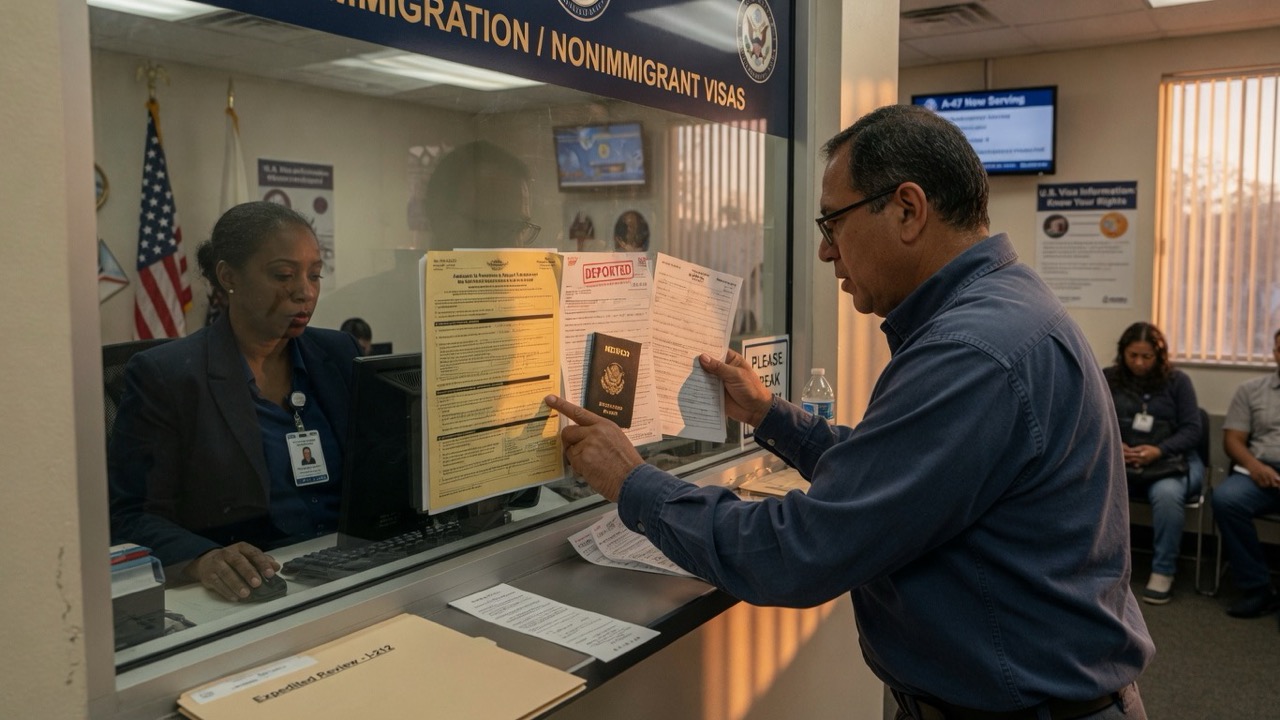
A spouse has filed a visa petition for you, but years ago you were removed at the border. Does the approved petition let you come back? Not by itself. The answer depends on what order was issued, when you left, and whether you later entered or tried to enter without admission. Form I-212 asks for permission to reapply for admission. Approval is not a visa, an admission decision, or a cancellation of the removal order.
Start with the order and your travel dates
Under INA § 212(a)(9)(A), expedited removal or removal at the end of proceedings begun on arrival generally carries a five-year bar. Other removal orders generally carry a ten-year bar, including when someone leaves while a removal order is outstanding. A second or subsequent removal generally carries twenty years; an aggravated felony conviction can make the bar indefinite. If the applicable period has already elapsed, an I-212 may not be necessary for this ground. A visa refusal, withdrawal of an application for admission, and removal are different events: get the actual paperwork before counting years.
Why a later border crossing changes the analysis
Section 212(a)(9)(C) is a separate ground. It can apply when someone enters or attempts to reenter without admission after a removal order or after accumulating more than one year of unlawful presence in total. An unsuccessful attempt can matter. This bar does not expire simply because ten years pass. The ordinary consent route requires remaining abroad for the statutory period after the last departure and obtaining permission before seeking return. The statute specifies seeking admission more than ten years after that departure. A separate, narrow VAWA waiver may apply when abuse is connected to the relevant conduct. Do not assume the shorter waiting period for the original order resolves this second ground. Read § 1182(a)(9).
I-212, I-601, or I-601A?
I-212 addresses consent to reapply. I-601 requests a waiver of certain other grounds of inadmissibility when a waiver is available; the legal test depends on the ground. I-601A is a provisional waiver for certain applicants in the United States who will leave for immigrant visa processing. It concerns unlawful presence under § 212(a)(9)(B), not removal or unlawful reentry under (C). Some applicants with final orders must obtain conditional I-212 approval before filing I-601A. An approval on one form does not resolve a different ground. USCIS provisional waiver guidance.
Who decides, and what do you submit?
For an immigrant visa abroad, the consular officer decides visa eligibility and may identify a ground of refusal. The interview is not itself an I-212 application. Follow the refusal notice and the filing instructions for your category. USCIS handles many I-212 applications; CBP handles certain applicants seeking admission as nonimmigrants without a visa. Adjustment of status and immigration court cases can have different filing routes. Do not assume the embassy, nearest USCIS office, or port of entry accepts your application. Check the current USCIS edition, filing address and fee instructions before sending anything.
Prepare a dated list of every departure, return and attempted crossing. Match it to passport records, removal orders and proof of time abroad. Include any consular refusal notice and certified dispositions for criminal cases. Because consent is discretionary, explain why you seek to return and document relevant family ties, hardship, rehabilitation and conduct since removal. Address unfavorable facts directly. Before leaving for an interview, have the timeline reviewed: departure itself can have consequences that an approved family petition does not prevent.
To schedule a consultation with Modern Law Group, call 888-902-9285. Bring the order and travel timeline even if you do not yet have every record.